Some Deals You Cannot Take at Any Price
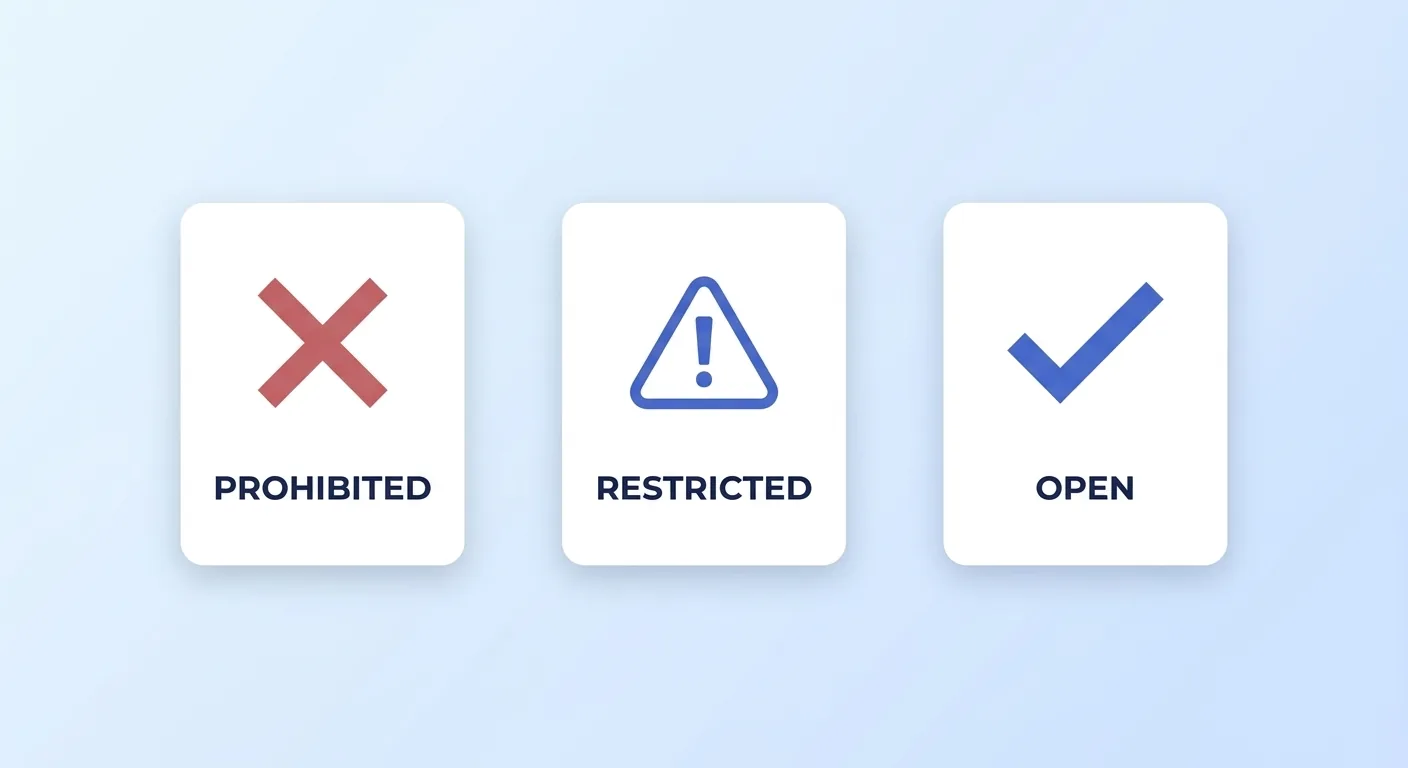
YouTube's branded content policies list categories that "may not be promoted at all in branded content" — among the published examples are weapons or ammunition, hacking software, counterfeit products, recreational drugs or paraphernalia, and academic essay-writing services. No fee makes those acceptable. A separate tier of restricted categories — alcohol, financial services, healthcare and medicines, gambling, elections and politics — can run, but only if the brand partner is certified by Google where required, and the policy puts that check on you: "you are responsible for confirming that your brand partners are certified."
Most brand-deal advice starts at the pitch. That is the wrong end. The expensive decisions in a partnership are made before anything is signed, and almost none of them are about price.
A Framework Is a Gate, Not a Funnel
The standard creator funnel — find brands, pitch, negotiate, deliver — optimises for more deals. That is the wrong objective once inbound exists. After a certain point the constraint is not deal flow, it is the number of sponsored slots your audience will tolerate in a quarter, and each one you fill with a poor fit is one you cannot fill with a good one.
So run it as a gate. Everything below happens before you quote a number. The pieces after the gate are already covered: what to charge is in brand deal pricing and negotiation, how to present yourself is in the creator media kit, and everything after signature is in the sponsorship execution system. This post is the part before all three.
The Five-Question Fit Test
1. Is the category allowed, and is the partner certified? Check the prohibited list first. If the category is restricted, get written confirmation of certification before you quote. This takes one email and prevents the worst outcome in the whole process.
2. Have you actually used it? The FTC's guidance for influencers is blunt: "You can't talk about your experience with a product you haven't tried," and "if you're paid to talk about a product and thought it was terrible, you can't say it's terrific." That makes a trial period a contractual necessity, not a courtesy. Ask for the product before you agree to the script.
3. Would you recommend it unpaid? If the honest answer is no, the deal requires you to either mislead your audience or produce a flat endorsement that converts badly. Both cost more than the fee.
4. Does it survive disclosure? Every commercial relationship has to be declared — you select the paid promotion button in your video details, which adds a disclosure label at the start of the video, and the content must still comply with Community Guidelines and Google Ads policies. Viewers see that label as an "includes paid promotion" notice before the video begins, so the sponsorship is known to them from the first second, not revealed at minute four. Note the FTC's definition of a "material connection" is broader than cash: a personal, family or employment relationship, or free or discounted product, all count. If a deal only works when the audience does not realise it is a deal, there is no version of it you can legally run.
5. Does it fit the advertiser-friendly line your channel already walks? If your content sits near the boundaries in YouTube's advertiser-friendly content guidelines — controversial issues, sensitive events, firearms, recreational drugs — a sponsor integration inherits that context. Worth knowing before a brand discovers it in week three.
The Portfolio View
Individual deals are easy to judge. The mistake is judging only individual deals.
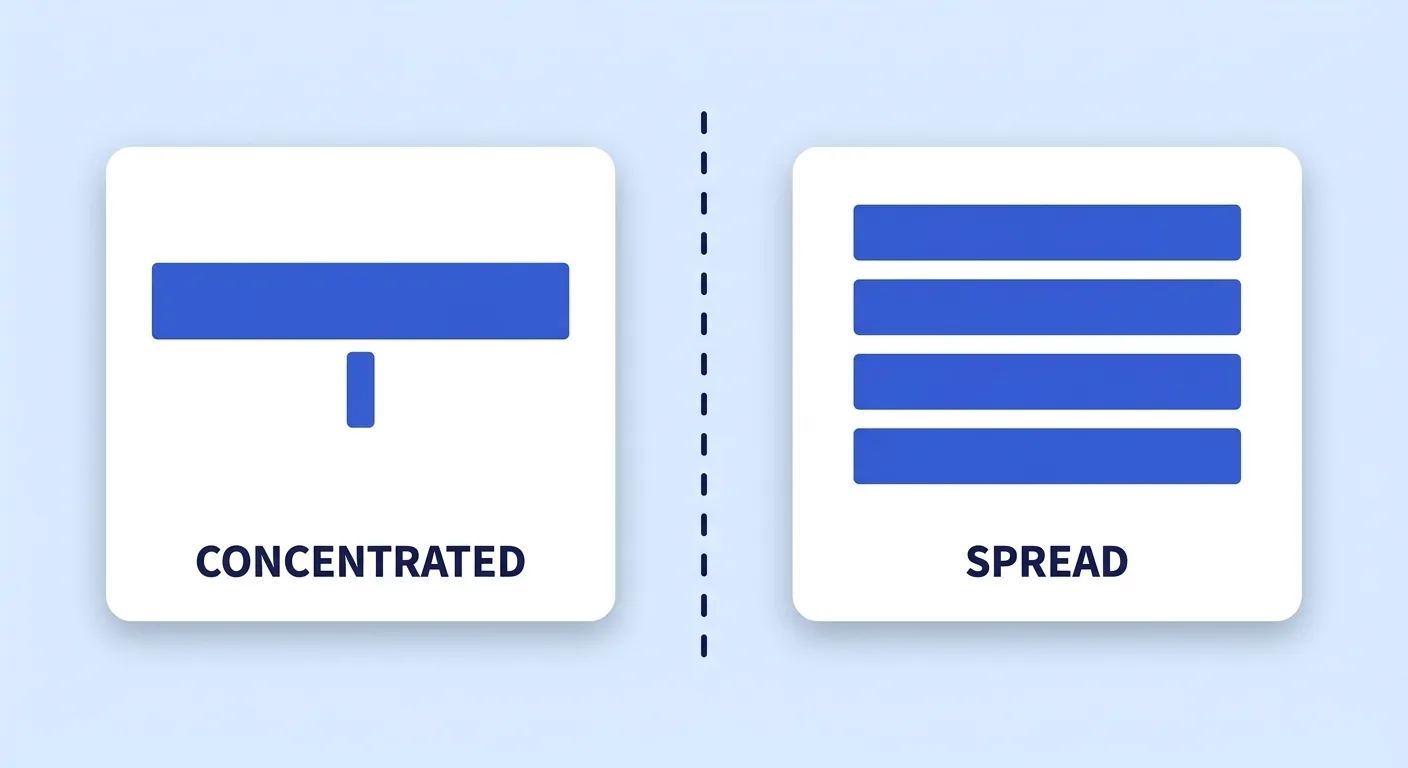
Concentration. If one sponsor is most of your partnership revenue, you do not have a sponsor, you have an employer with no notice period. When they pause — and budgets pause every January — the gap is immediate. The same total spread across three or four partners is the same money with a fraction of the risk.
Category exclusivity. A brand asking for category exclusivity is asking you to decline every competitor for the term. That is a real cost and it should be priced, not conceded. A twelve-month exclusive in your most sponsor-dense category can be worth more than the deal itself.
Cadence. Sponsored slots compete with each other for audience patience. Decide the ceiling — one in four uploads is a common line — and treat it as fixed. Selling the fifth is borrowing from the next quarter's tolerance.
Fit with the content calendar. A deal that forces a video you would not otherwise make is a deal that damages the pillar structure holding your channel together. If a sponsor's brief does not map to something already on your 90-day calendar, either adapt the brief or decline it.
What to Decline
The shortlist we apply, having run partnership production across 10,000+ delivered projects:
| Decline when | Because |
|---|---|
| The category is prohibited | No fee makes it publishable |
| The category is restricted and certification cannot be confirmed | The compliance exposure is yours, not theirs |
| They refuse a trial sample | You cannot legally describe an experience you have not had |
| They want approval over your opinion, not just claims | That is an ad read, and it should be priced as one |
| Exclusivity is requested but not paid for | You are selling your next four deals for free |
| It needs a video outside your pillars | The audience cost outlasts the invoice |
Saying no is the skill that makes the rest of the system work. A creator with three well-fitted sponsors and a reputation for honest reads gets renewed; a creator with nine mismatched ones spends the following year rebuilding trust.
That whole loop — screening, integration production, and the wrap reporting that earns the renewal — is what our brand partnership service exists to run. It matters most in categories where the compliance layer is heaviest, which is why we handle finance creators as a distinct track.
The Bottom Line
The framework is a gate, not a funnel: check the category is permitted, confirm certification where required, use the product, confirm you would recommend it unpaid, and check the deal survives disclosure. Then look at the portfolio — concentration, exclusivity, cadence, and calendar fit. Price comes last, and by then most of the bad outcomes have already been avoided.